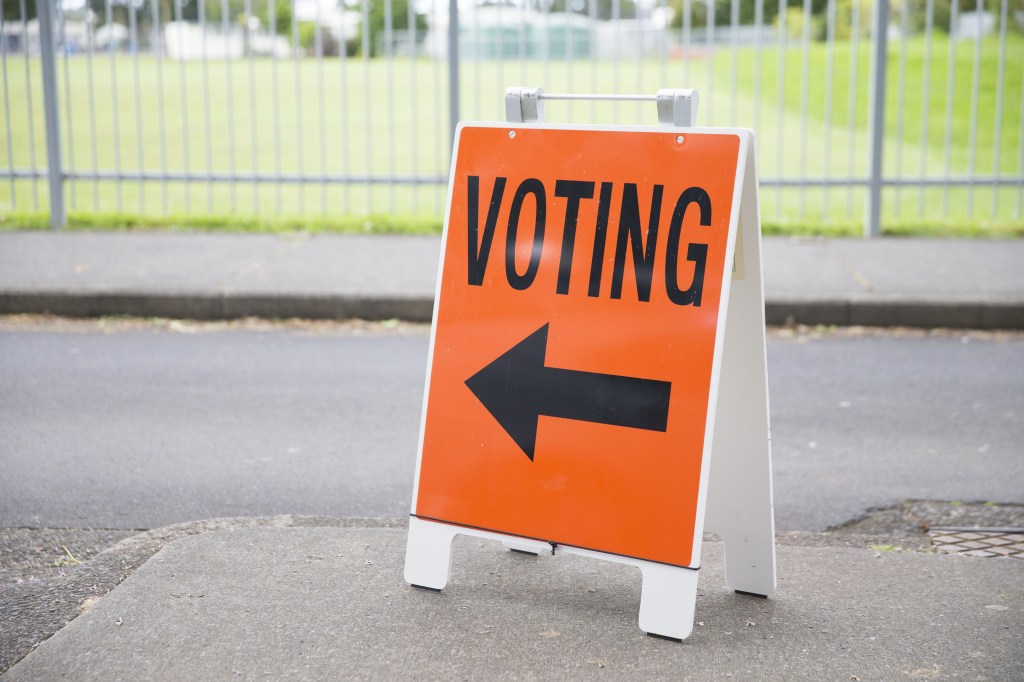
Photo https://elections.nz/
It is getting closer to our general election, which means political parties are releasing their election promises and policies, seeking to grab the attention of voters with offers that will personally benefit them or punish those they do not identify with. Dividing the country into the worthy and unworthy.
An interesting time for someone like myself who, in my younger days, studied politics and enjoyed watching the game unfold. I was a loyal supporter, passionately cheering on my team and criticising the other. I remember hearing people say that when you get older, your political leaning will shift; you will become less idealistic and more self-interested.
I’m grateful that hasn’t happened. I still hold the belief that I should look out for those more vulnerable than myself. Although, after many years of working in social services, I have become more cynical, more aware of structural inequalities, and of systemic problems that can’t be fixed quickly, even when the will to do so is there.
Reading some recent election announcements, such as this National promises random drug testing for jobseeker beneficiaries | RNZ, has reminded me of where my earlier interest in politics came from. My childhood experience of growing up in poverty, of a time when I had little control over my circumstances, circumstances influenced and shaped by government decisions and the decisions of my parents. As I have grown into an adult, I can recognise that my parents didn’t always make the best ones.
However, I have also worked with other families struggling and have recognised how difficult it is to make good long-term choices when you are in survival mode. When you don’t have the resources to invest in long-term solutions, you have to turn to quicker fixes that drain money and time. Like carrying your clothes to the laundromat because you can’t afford to replace or fix the washing machine. Buying food with low nutritional value because it is cheaper, and/or parents not eating so they can feed the children, resulting in health issues. That again drains money, time and energy.
Sometimes I think people find it all too easy to equate poverty with morality. To look at those making what seem like poor financial choices and say, “Well, I wouldn’t do that,” and then make the assumption that the problem is solely in the person. And then, of course, I think of younger me. The little girl who was a child, a child without agency, a child impacted by but not responsible for the struggles she experienced.
Then there is the morality associated with substance use. I used to work in addictions and know full well that it is not just a problem experienced by beneficiaries. There are people out there using and struggling with substances at all levels of financial means. Having more money makes it easier to hide.
And how many of us turn to the more socially acceptable option of alcohol when we have had a hard day, when we feel overwhelmed, when we feel frustrated, when we are waiting for the next bad thing to happen and thinking things will never get better?
Sometimes we can become so focused on whether someone has made the “right” choices, because I think it makes us feel better about our own, that we forget to ask what choices were actually available to them in the first place. We all have the capacity to make poor choices or decisions we regret. Decisions that can hurt ourselves and others.
When I think about the little girl I was, I don’t find myself asking why she didn’t make better choices. I think about what she needed, what she didn’t have, and how little control she had over any of it.
Maybe that is the perspective I want to hold onto as I watch this election unfold. Not that people shouldn’t be accountable for their choices, but that accountability without understanding can very quickly become judgement.
There is another side that I could have explored in this reflection. The morality argument we can apply to those who accumulate vast amounts of wealth, we could question how they did that and why some campaign so hard to hold onto it when others have so little. But I will leave that story to others to tell. https://www.rnz.co.nz/national/programmes/middayreport/audio/2019055079/tamatha-paul-on-whether-it-s-moral-to-be-a-billionaire
Instead, I will finish with this: I think we should be careful about how quickly we decide who is and isn’t worthy of our compassion.
